Posts

Merenda sinoira at Tenuta Montemagno

A Piedmontese tradition to rediscover among vineyards, local flavours and the timeless charm of the Monferrato hills.

Some traditions tell the story of a place better than words ever could. Merenda sinoira is one of them: a convivial ritual deeply rooted in Piedmont, born in the countryside as a moment of pause at the end of the working day.

In the late afternoon, people would gather around the table with whatever the kitchen had to offer: bread, cured meats, cheeses, frittatas, vegetables, carpione specialities and, of course, wine. Simple yet substantial dishes, shared informally and enjoyed slowly, often until evening.

More generous than a snack and more spontaneous than dinner, merenda sinoira still preserves the pleasure of coming together and, in many ways, anticipates the spirit of the Piedmontese aperitivo.

The journey begins aboard a 1980s Fiat Panda

At Tenuta Montemagno, merenda sinoira takes on a character all its own.

Before reaching the table, the experience begins on the roads of Monferrato Astigiano, aboard a 1980s Fiat Panda tied to the family’s history and now reimagined to accompany guests through the hills surrounding the estate. More than a vintage car, it is a fragment of memory brought back to life among vineyards, rows of vines and views over Montemagno.

Accompanied by an expert guide, the journey unfolds at a leisurely pace, allowing the scents, colours and quiet of the countryside to lead naturally towards the merenda sinoira.

The route eventually reaches the vineyards, where a table is set beneath the shade of a tree, in a secluded corner immersed in nature.

Here, the tradition comes to life through a selection of Piedmontese flavours: local cured meats and cheeses, friciulin, Russian salad, carpione specialities and freshly baked focaccia, accompanied by three glasses of Tenuta Montemagno wines per person, selected to enhance the flavours and create a direct connection with the surrounding vineyards.

A moment to enjoy without rushing, which at sunset can naturally turn into an aperitivo and offer, through food, landscape and conviviality, one of the most authentic ways to experience Monferrato.

Harvest 2026 at Tenuta Montemagno

From climate to harvest, the story of a vintage taking shape among the vineyards of Tenuta Montemagno.

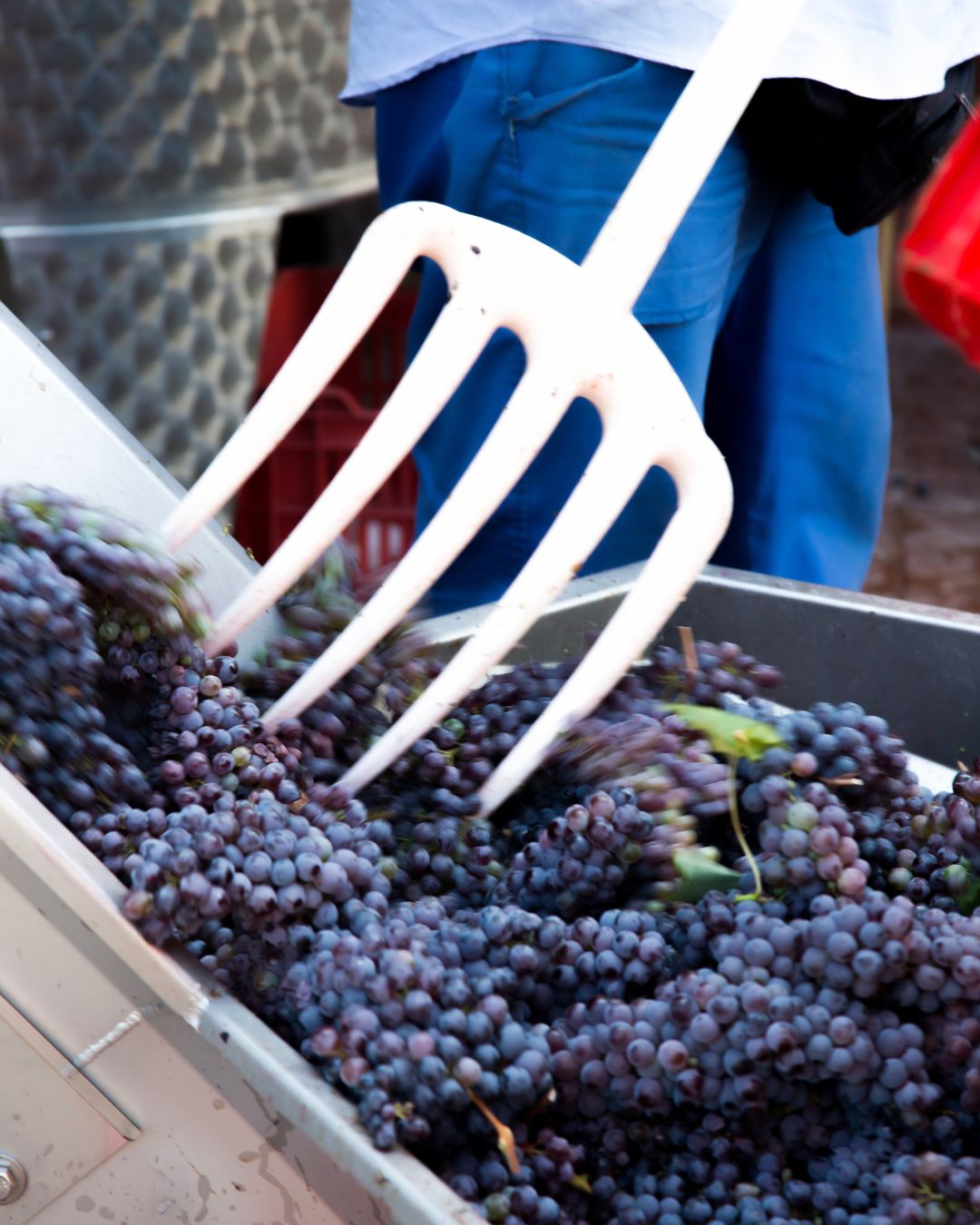
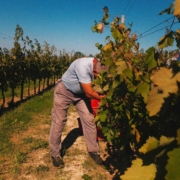
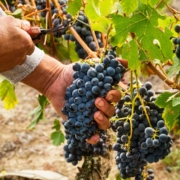
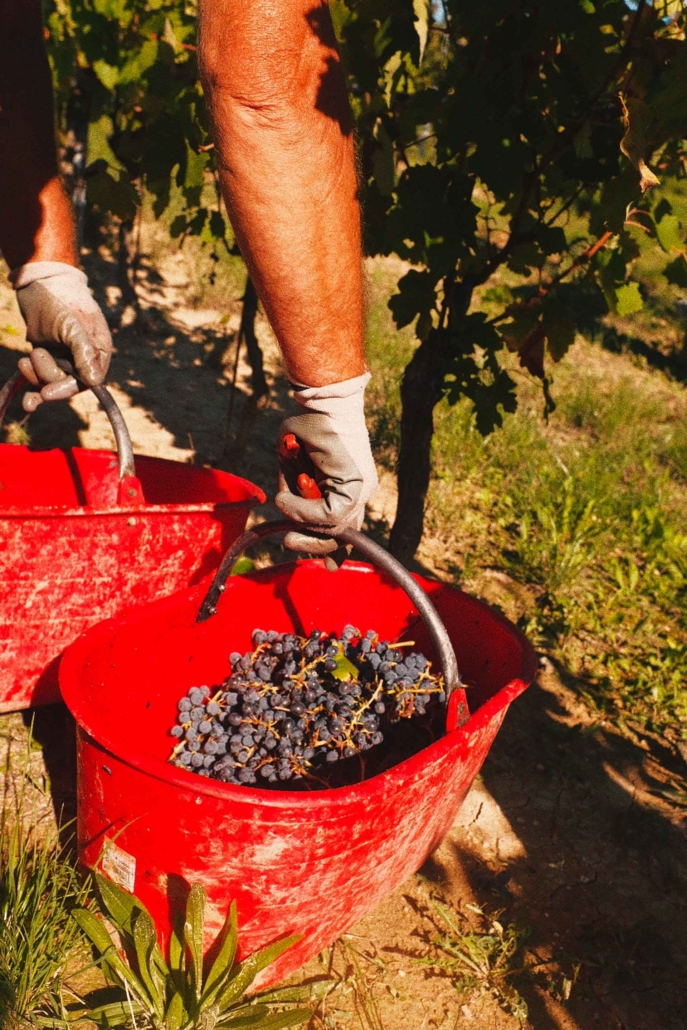
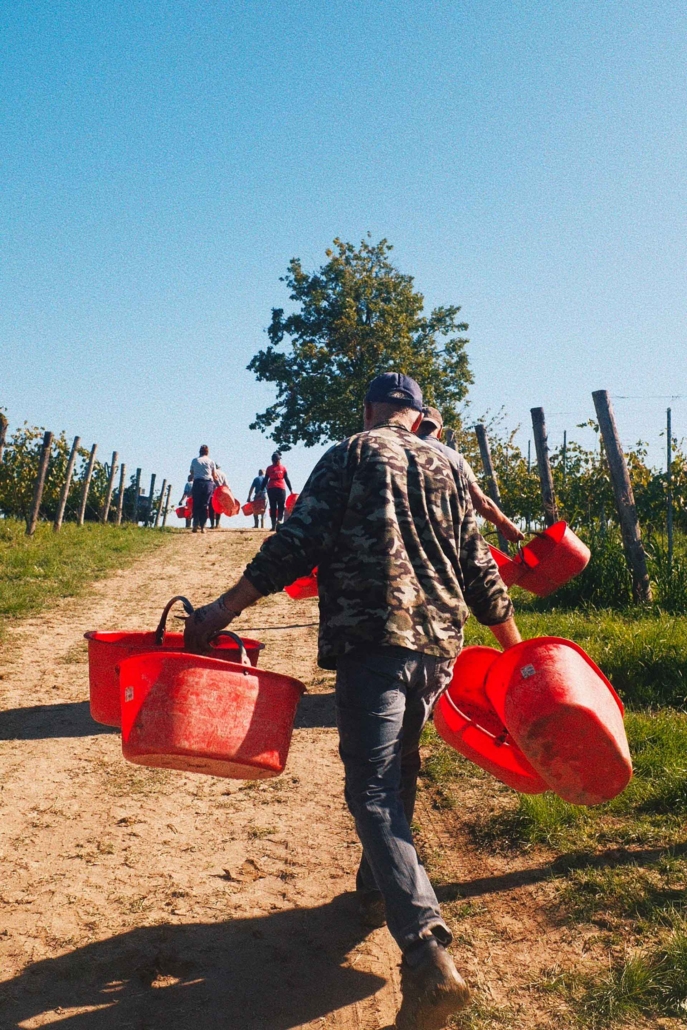
Harvest is the moment when an entire year of work begins to take shape. Picking the grapes, however, is only the final stage of months of observation, decisions and continuous adjustments, during which every choice accompanies the development of the vines and the grapes.

Each vintage follows its own rhythm, shaped by climate, terroir and the characteristics of the individual grape varieties. In 2026, this was particularly evident, requiring constant attention and a careful reading of what was happening in the vineyard.

Harvest 2026: an exceptional summer

The summer just ended was the hottest in Italy since 1950, surpassing the previous record set in 2003. According to analyses by the CNR, several waves of African heat affected the country from June through early September.

In the Monferrato Astigiano, where the vineyards of Tenuta Montemagno are located, prolonged heat and reduced water availability accompanied the development and ripening of the grapes, making close observation of the vines even more important.

Every vineyard has its own rhythm

Tenuta Montemagno grows several grape varieties that reflect the winemaking identity of the area: Ruchè, Barbera, Grignolino, Timorasso, Sauvignon and Syrah.

Each has its own ripening times and dynamics. For this reason, harvest does not follow a fixed date, but is guided by careful observation of the grapes and an assessment of their development.

In a vintage such as 2026, marked by high temperatures and below-average rainfall during part of the summer, this attention becomes even more important. Vineyard work also means understanding how each variety responds to seasonal conditions, preserving its balance and distinctive character.

From the vineyard to the cellar: the 2026 vintage begins to take shape

As harvest progresses, the work gradually moves from the vineyard to the cellar.

This is where the journey begins that will transform the grapes of the 2026 harvest into the new wines of Tenuta Montemagno. Each variety will follow its own timing and winemaking process, respecting the characteristics developed throughout the season and the identity of Monferrato.

In September, it is still too early to define the vintage in full. Vinification and, later, ageing will reveal how freshness, structure, balance and varietal character will be expressed in the different wines.

A new harvest, the same dedication

Every harvest tells a different story.

Climate, ripening times and the response of each grape variety may change from one year to the next. What remains constant is the attention devoted to the vineyards and the ability to interpret their evolution, season after season.

As the 2026 harvest continues at Tenuta Montemagno, every bunch of grapes picked becomes a meeting point between the work carried out over the previous months and the work that will continue in the cellar.

This is where the journey of the new vintage begins.

Vendemiia 2025 in Tenuta Montemagno

The 2025 Harvest at Tenuta Montemagno

Excellent balance between freshness, acidity, and structure across all labels.

Article written in collaboration with oenologist Roberto Nantiat, together with Gianfranco Cordero of Tenuta Montemagno.

As every year, weather conditions are the most important and influential factors for those who work in agriculture and, more specifically, in vineyards.

2023 was a year of high temperatures and severe drought. In contrast, 2024 brought conditions completely opposite to the previous year.

 And what about 2025? How was the harvest at Tenuta Montemagno?

Once again this year, we interviewed oenologist Roberto Nantiat, who, along with Gianfranco Cordero, oversees the work at Tenuta Montemagno. He updated us on this year’s climate and harvest.

Roberto Nantiat

2025 has been a year of recovery because, at least until around mid-August, the climate was normal and well-balanced.

Spring rainfall was slightly abundant but manageable, and thanks to good seasonal temperatures, it favored steady plant growth.

By mid-August, however, we saw a sudden spike in temperatures lasting a couple of weeks, with peaks of 36–37°C. During this period, the heat remained high even at night. Thus, from what had been a calm and rainy year, in just about fifteen days we transitioned into a very hot one.

This had a direct impact on the grapes, which ripened very quickly and earlier than expected. As a result, the harvest began ahead of schedule, also thanks to the excellent sugar levels reached sooner than usual.

vendemmia 2025

On August 19, we began picking Sauvignon (Nymphae and Musae), about two weeks earlier than the usual start date of August 25. By the time we harvested, these grapes already had high sugar content compared to past vintages, which typically began later in the month.

After the mid-August heat, we experienced several weeks of rain toward the end of the month, while the harvest was already underway. This sudden shift lowered temperatures and required a revision of the harvest schedule. We carried out additional sampling to monitor ripening in the vineyards and identify the best dates for each variety.

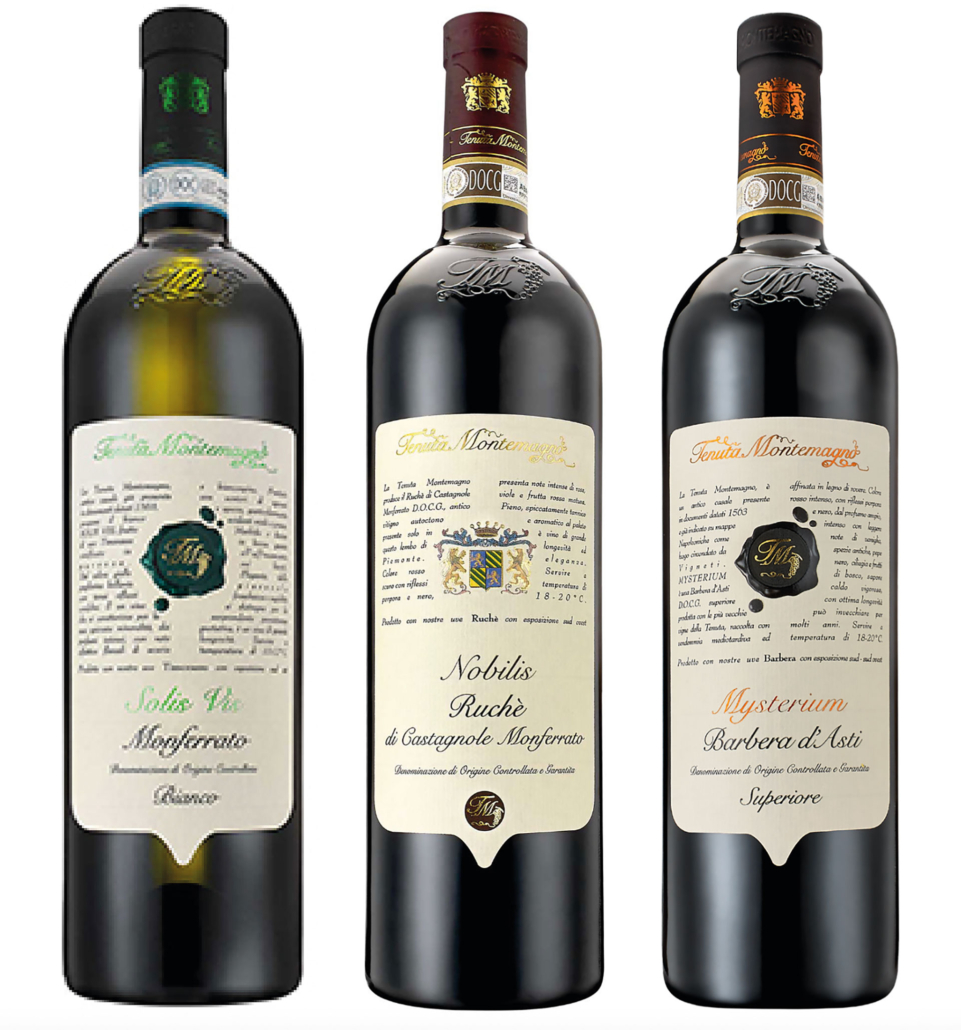
As a result, we continued with early harvests between late August and the first week of September for Ruchè (Invictus and Nobilis), Timorasso (Solis Vis), and Barbera (Austerum and Mysterium).

In early September, we harvested Syrah (Violae) and Grignolino (Ruber). Today, September 17, we are close to completing the harvest, significantly earlier than in previous years (which typically ended between late September and October 10).

How did this climatic trend, with an earlier (and faster) harvest, reflect on the quality of the wines?

The first tastings show very promising wines, with beautiful freshness (meaning bright acidity), the right alcohol levels, and balance compared to typical high-alcohol wines of hotter vintages. We will therefore have wines that are very well-balanced in terms of freshness, acidity, structure, and alcohol content.

By late November, we expect to begin preparing Malvasia for bottling Dulcem with its flat cork closure.

This year, Piedmont experienced significant rainfall and even hailstorms. What about Tenuta Montemagno’s vineyards?

All major storm systems bypassed our area, sparing us the intense rainfall seen elsewhere in the region.

We did experience a few heavy showers, sometimes accompanied by strong winds, but these had no negative impact on the vineyards.

The soil, which was very dry, absorbed the abundant water perfectly. No hail was recorded, and the grapes remained healthy.

Every year brings specific climatic conditions, requiring readiness and swift action.

vino Tenuta Montemagno

These challenges are part of the experience and professionalism of the people working at Tenuta Montemagno. Thanks to this expertise, our winery can consistently ensure the highest quality production, pleasing even the most demanding wine enthusiasts.

Mysterium 2019 tre bicchieri Gambero Rosso

Gambero Rosso 3 glasses to Mysterium 2019, Barbera d’Asti Superiore by Tenuta Montemagno

Our Barbera d’Asti Superiore DOCG Mysterium 2019 was awarded with the most prestigious and coveted wine award from Gambero Rosso: 3 glasses!

A vine that perfectly identifies and expresses the terroir (as our French cousins call it) in which it is lovingly grown: the Monferrato Astigiano.

vendemmia

In Mysterium 2019 we find all the strength, the power of Barbera d’Asti Superiore DOCG, elevated to the rank of excellence thanks to a meticulous selection of grapes in the vineyard from the first days of foliation, until the harvest.

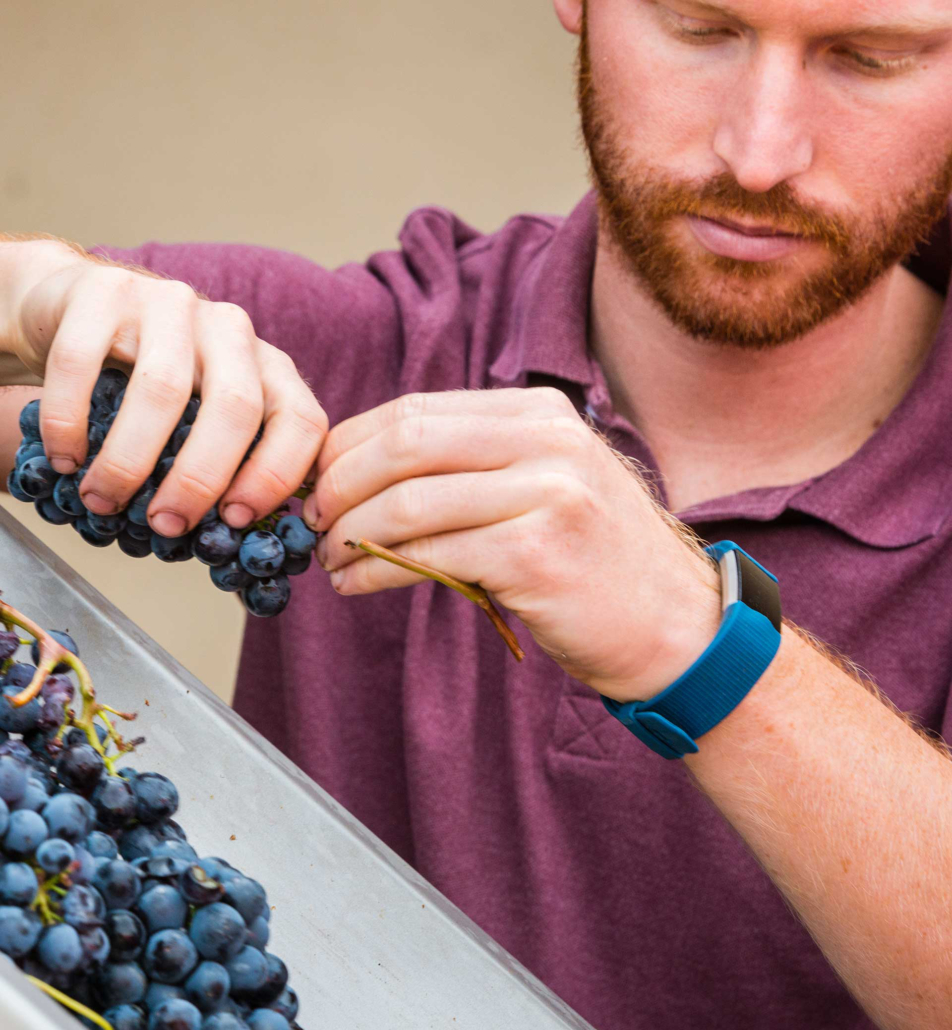
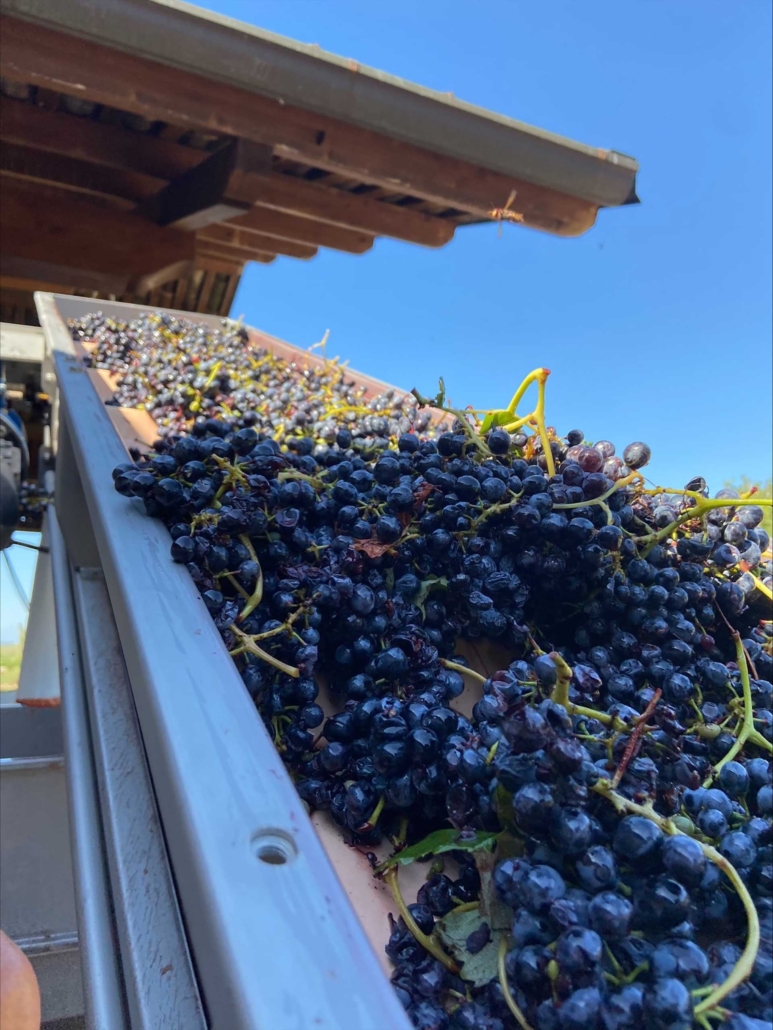
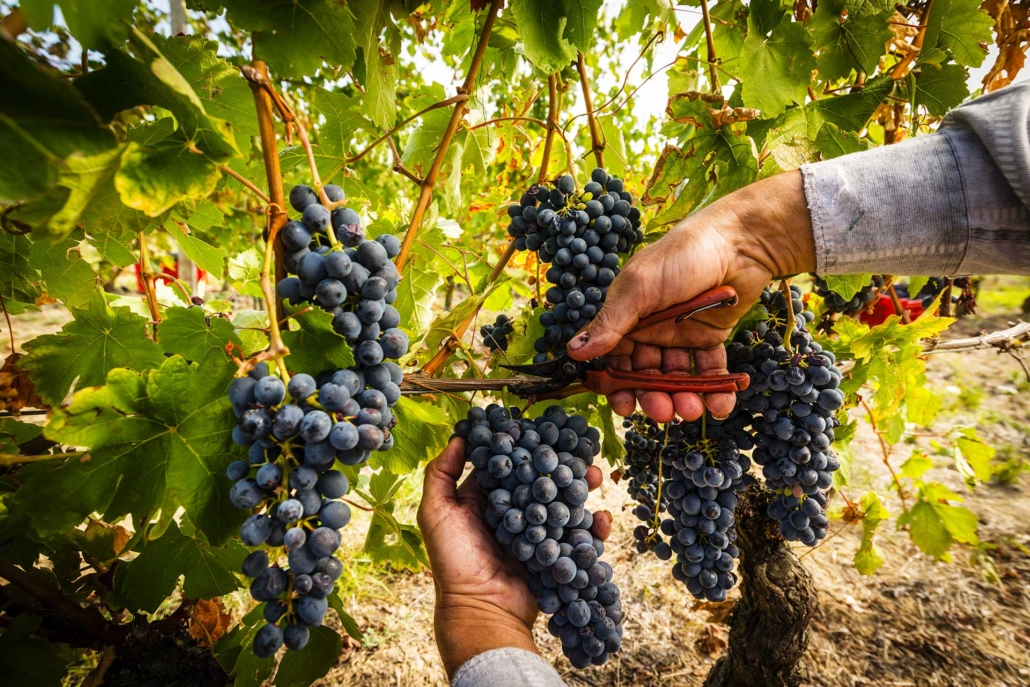
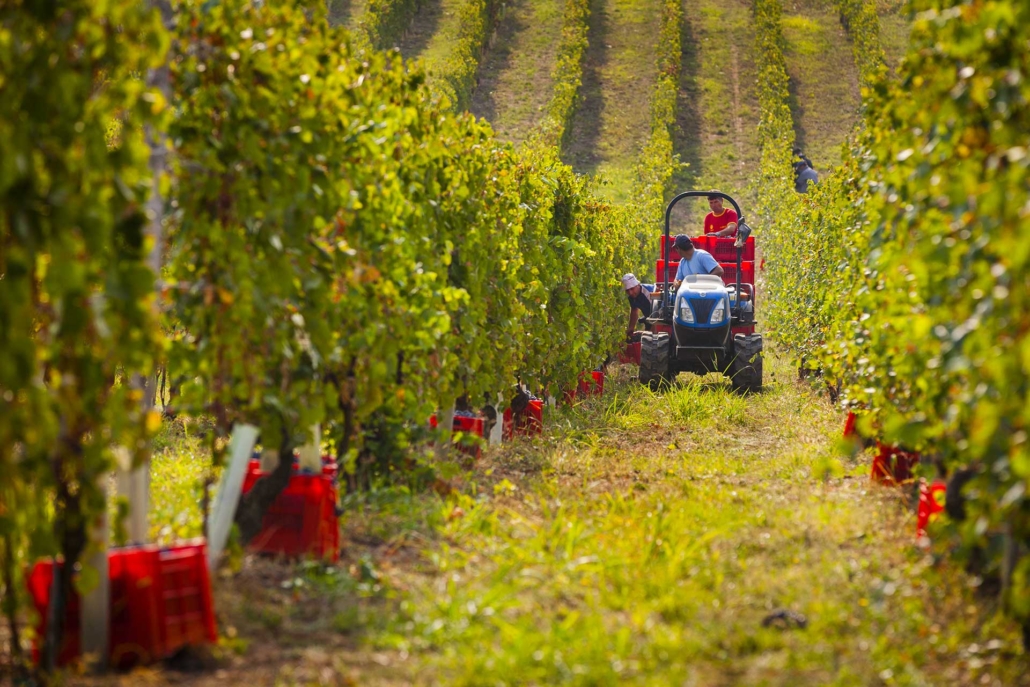
Our agronomists pay special attention to the oldest vines (now eighty years old) on our estate, they daily follow the thinning of the bunches and foliage in order to accommodate the vineyard and the climatic variations of spring and summer until the harvest, which is done strictly by hand, with delivery to the cellar within a few hours of harvesting.

Tiziano Barea e Gianfranco Cordero

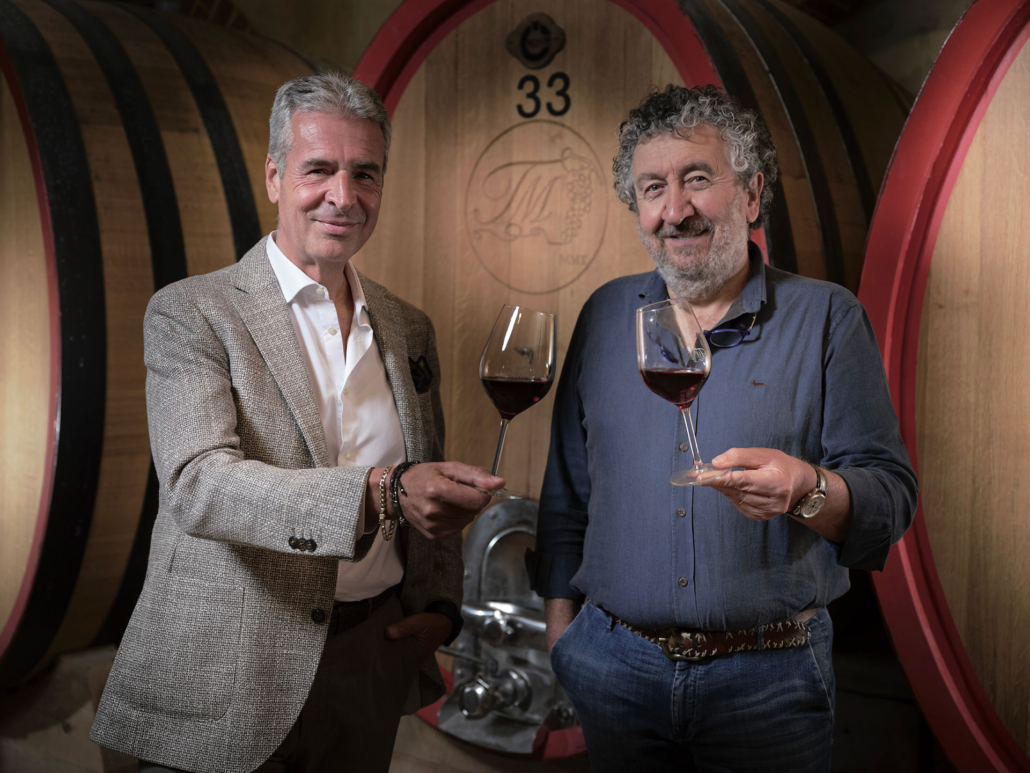
The winemaking processes are followed by the team of oenologists coordinated by Gianfranco Cordero, in compliance with the DOCG production disciplinary, made even more restrictive by our “metodo TM”, to guarantee the excellence of a label that is symbol and icon of Tenuta Montemagno’s wine production.

From the first harvest (it was the year 2009) to today, Mysterium has refined, grown, adapted to climate changes, but has always maintained its identity: power and elegance, strength and refinement, marked acidity and softness. Opposites that attract and find their synthesis in our interpretation of Barbera d’Asti, born from the intuition of Tiziano Barea, an entrepreneur with a great passion for the world of wine, of which he was able to enhance the tradition by combining it with the innovation of winemaking processes, to obtain increasingly healthier wines.

With the recognition of the Three Glasses by thel Gambero Rosso jury, we are proud to be part of that small number of wineries that will be ambassadors of Italian winemaking in the world, alongside historic Piedmontese companies such as Gaja, Giacosa, Oddero,…and many other excellent winemakers who bring the excellence of our territory to the tables all over the world.

Vendemmia

Because, first of all, even at Tenuta Montemagno we consider ourselves winemakers who put passion and love into “making wine”…always with an eye on innovation and future.

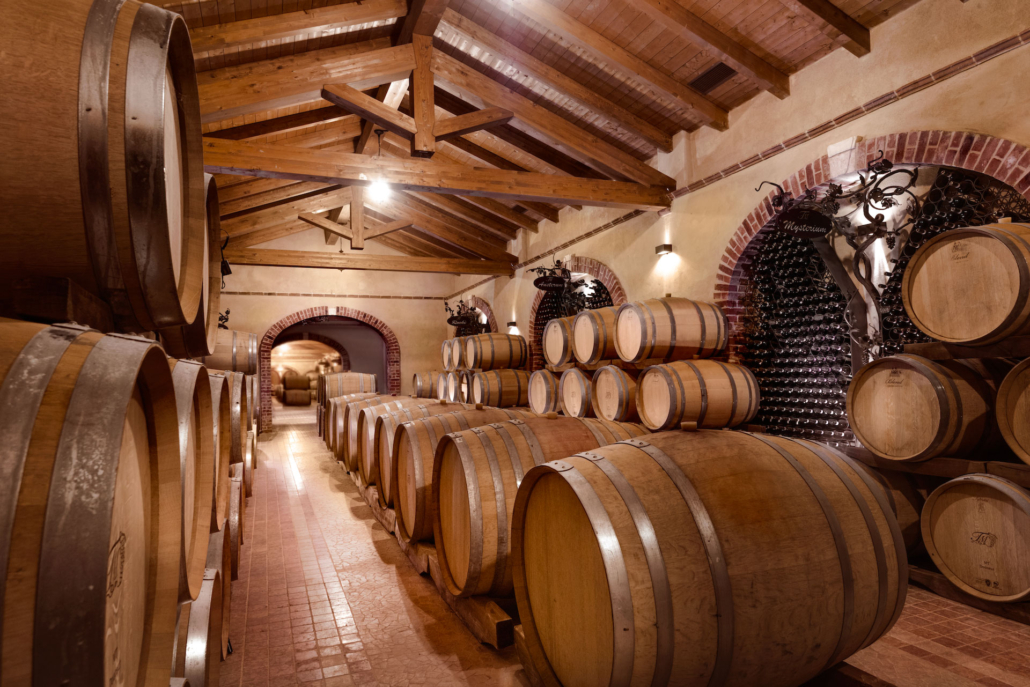
Mysterium 2019 is produced in approximately 12,300 bottles from the oldest vineyards of the Estate, harvested with medium-late harvest and aged in Allier oak barrels: one third Barrique, one third Tonneaux and one third large 30 Hl barrels.

vigne

Power, fruitiness and freshness accompany finesse, mineral olfactory complexity and a right tannicity that distinguishes the vine of this territory.

The color is intense red, with purple and black reflections, with broad scents, with distinct notes of cherry, earth and persuasive woody notes.

cantina

Power, fruitiness and freshness accompany finesse, mineral olfactory complexity and a right tannicity that distinguishes the vine of this territory.

The color is intense red, with purple and black reflections, with broad scents, with distinct notes of cherry, earth and persuasive woody notes.

On the palate it is warm, concentrated, rightly tannic and with excellent aromatic persistence.

With 15% Vol. Mysterium is the ideal label to accompany the most important and classic dishes of autumnal Piedmontese cuisine, such as the great first courses of our tradition.

Tenuta Montemagno wines can be directly purchased on the winery’s website (www.tmwines.it), or tasted in the wine shop or in the wine bars and restaurants that expose their labels.

vendemmia 2023

The harvest Tenuta Montemagno 2023

Article written in collaboration with Roberto Nantiat and Gianfranco Cordero, winemakers of Tenuta Montemagno

It was already understood since last 2022 that this would be a particular year for the cultivation and harvest of the 2023 grapes, remembered as a difficult year due to the extreme drought which compromised part of the vineyards, forcing some wineries to intervene on the plants and replant the cuttings in order to recover, in future years, what water scarcity has caused. But despite these warning signals, 2023 was able to surprise us again, for a strong variability of the climatic conditions that affected the cultivation starting from the winter and which continued until the summer.

Let’s summarize the situation with Roberto Nantiat the winemaker who, with Gianfranco Cordero, follows the works at Tenuta Montemagno, to understand the trend of 2023, with a focus on the harvest just terminated and on what the wines resulting from this harvest will be like.

Vendemmia 2023

“This is a particular vintage” Roberto says “but we could already understand it from how spring and summer were; from an extreme period of drought we moved to a semi-resolution during the months of June and early July, to return to another situation of stress due to the high temperatures reached from the beginning to mid-August”.

During this period, for about two weeks, the thermometer marked 40°/45° C with average night-time values always above 30° C. The effect on the plants was the blocking of photosynthesis and therefore the ripening of bunches. So on August 22nd, ahead of the traditional calendar, the Sauvignon harvest began.

“We decided to race against time to prevent these grapes, which are very sensitive to climatic conditions, from burning. Sauvignon, in fact, due to the strong heat can “burn” and produce oxidation which, in turn, could lead to a loss of those aromas that are very important for the varietal”.

The choice to carry out an early harvest was also dictated by the desire to maintain a good quality of the grapes, to the detriment of the volumes harvested.

uva

“At the end of August we had three days of heavy rain”, Roberto continues. “This restored the water balance of the plants. The grapes have started to swell again, the ripening has resumed its course, and the vegetation has therefore also regained the natural colour of the period; from a green with a rather dull brightness it returned to a beautiful dark green, a signal indicating the resumption of photosynthesis”.

Vendemmia 2023

From that moment on, the harvest resumed, first with Barbera grapes for the vinification of TM Brut and then with Syrah, used for the Violae label (blend of Syrah and Barbera). Syrah vinification shows a particularly intense colour, an interesting structure and, therefore, a good concentration.

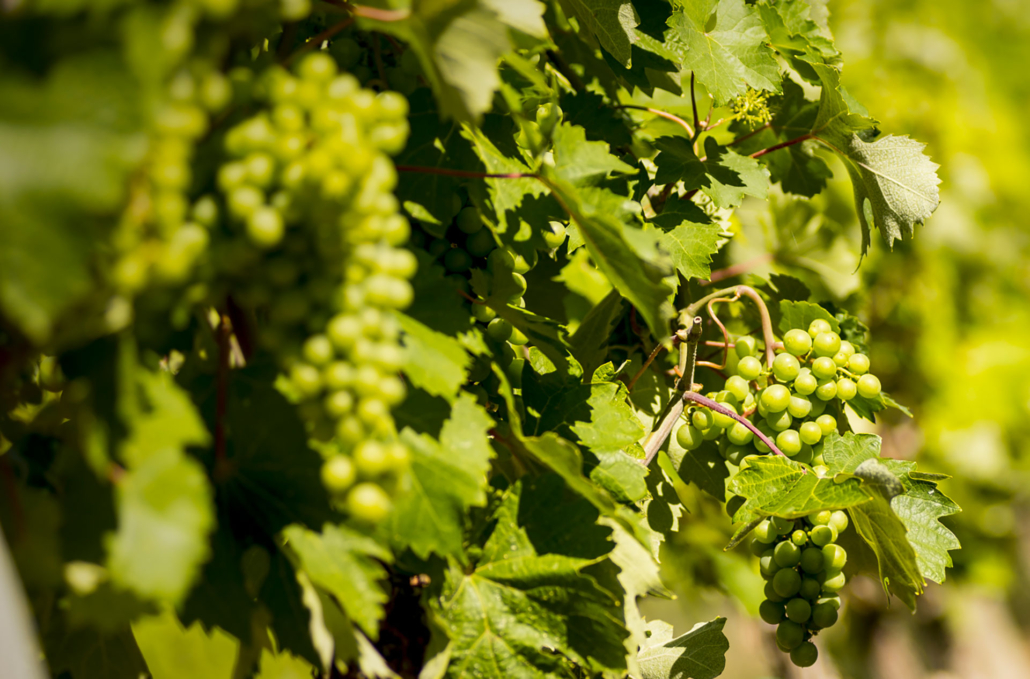
During the month of September the harvest continued with the Timorasso, which reached perfect ripeness thanks to the heavy rains at the end of August, used for Solis Vis, and Nymphae.

“Now (mid-September, ed.), we are harvesting the Barbera grapes, destined for the vinification of the Austerum reds and Mysterium, that are offering the same quality as always with greater softness and freshness. Soon we will continue with the Ruchè grapes for Nobilis, while the harvest for Invictus, the Ruché made with a late harvest, will occur two weeks later”.

Summing up the 2023 harvest of Tenuta Montemagno, we can therefore state that it is characterized by reduced volumes, good quality of the harvested bunches and excellent conditions for winemaking.

cantina Tenuta Montemagno

Spring works in the Tenuta Montemagno vineyard and cellar

Article written in collaboration with Roberto Nantiat and Gianfranco Cordero, winemakers of Tenuta Montemagno

2022 will certainly be remembered by all wine producers as a year of severe drought.

Similarly, 2023 will be remembered for being, at least in the first 6 months, a particularly bizarre year from a meteorological point of view. Past year’s drought lasted for the first months of this one to then suddenly change and bring the attention of winemakers and agronomists from scarcity to abundance of water in the soil.

In this article we will find out with Roberto Nantiat, the winemaker who, with Gianfranco Cordero, follows the works at Tenuta Montemagno, what happened between the rows during the spring on the estate and what was done to deal with the sudden abundance of water and to prepare the vineyard at its best for a season, the summer, which leads to the harvest.

The first part of spring 2023 was still marked by drought. A status that has its origins in the past year and which has persisted, except for some sporadic rainy and snowy events, throughout the winter and the first part of this year. Since May there has been a climatic inversion: from zero rain to 2-3 days of rain per week.

This reversal brings with it two potential consequences: one positive and one negative.

The first, as it is easy to imagine, solves the water problem; the abundant rains bring a lot of nourishment to the vines and these show a strong vegetation. The second, also easily guessable, is the possible presence of fungi (mainly downy mildew and powdery mildew), which caused by the very short time between one rainy event and the next, could become particularly strong and aggressive. Utmost attention therefore, with protective interventions to be carried out in the vineyard, such as the more orderly “distribution” of the shoots, so that a greater passage of air is created and the potential risks of taking root and growth of fungi are reduced.

Uva

Another rather unusual aspect that could require corrective interventions is always linked to the abundance of water and the consequent vegetative thrust of the plants which is shown with an evident luxuriance of the foliage.

This sign is definitely positive, but shows a slightly uneven growth of the shoots even at individual plant level.

This is the result of the stress suffered by the vines during the drought, when the shoots all grew with great difficulty; now, with the arrival of rainfall, the differences generated by this stress can be clearly seen, with some shoots stronger than others.

This vegetative inhomogeneity leads us to monitor the evolution of the season with great meticulousness, to plan in advance interventions in the vineyard, presumably at the beginning of August. Normally we already carry out the thinning of the bunches, so as to guarantee the right balance between the quality of the harvested grapes and the quantity; this year we expect an intensification of this operation which gives strength to the vine and to the ripest bunches and nourishment to the soil, on which the pruned bunches are left.

In the cellar we continued with the bottling of most of the red wines, while for the whites this activity was completed at the end of winter: Violae (blend of Syrah and Barbera d’Asti), Soranus (the Barolo of Tenuta Motnemagno), Mysterium 2019 (Barbera d’Asti Superiore) and Nobilis (Ruchè di Castagnole Monferrato).

Invictus will soon follow, always Ruchè from Castagnole Monferrato, particularly decisive and structured, obtained by carrying out a late harvest of the grapes. Resting horizontally for 24 and 36 months, on the other hand, the TM Brut (Metodo Classico from Barbera grapes), whose “draft” was carried out in mid-late March.

The climate changes we wrote about in the first part of the article have had another positive response. While during the winter it was evident that the vegetation of the vineyard was two weeks early, now it can be seen how this condition has been reset; as a result, the harvest forecast could return to the more traditional deadlines, from the end of August to the beginning of September onwards.

We will therefore talk about this again in the next editorial, when we will have updates on the status of the vineyard during the summer and on the preparation or completion work for the 2023 harvest.

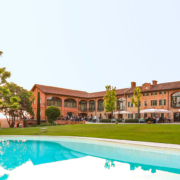
TMM relais estate

White, fresh, still, Tenuta Montemagno wines for summer

Summer is synonymous with long, sunny days, evenings with friends and aperitifs to spend moments in pleasant company … also with a good glass of wine, preferably white, fresh and with a wide bouquet of aromas.

The combination of “beautiful season, glass of fresh white wine” has always marked the most cheerful and convivial moments.

White wines have the gift of being able to mitigate the summer heat thanks to their freshness, aromaticity and, in some cases, distinct minerality capable of making drinking extremely pleasant.

In a land of important red wines (Ruché, Barbera, Grignolino), the many varieties of Tenuta Montemagno white wines stand out, capable of delighting the senses with their fruity, aromatic and savory notes, discovering endless possibilities for experiences and pairings.

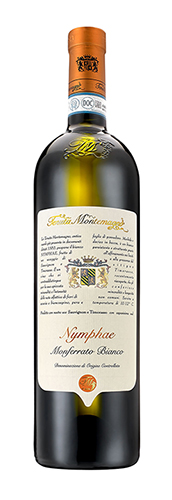
Nypmhae is a blend of Sauvignon and Timorasso grapes grown in the estate’s vineyards with south/southwest exposure. The combination of these grapes results in a wine that is exclusive for its richness of sensations on the palate and nose (characteristics of the Sauvignon grape variety), with an important minerality given by the soil rich in sodium, magnesium and potassium, typical of Timorasso grapes.

This Sauvignon gives intense notes of citrus and exotic fruit, where the passion fruit stands out in particular, while the Timorasso gives off delicate mineral and flint notes. It is an intense, complex and very pleasant white wine.

Its structure, complex and firm, makes it a wine with a good capacity for aging, very versatile in pairings, so much so that it is a great classic for structured aperitifs and Sunday brunches.

TMM Nymphae
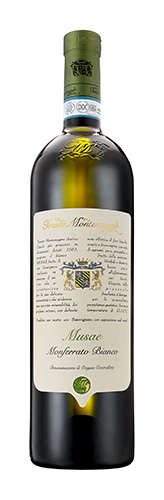
TMM Musae

Musae, is the fruit of Sauvignon Blanc and Sauvignon Gris (mutation of Sauvignon Blanc characterized by the pink berry) grapes, vinified in purity. This label stands out for its ample aromatic notes and taste persistence. It is a smooth and firm wine on the palate. Elegant and with pleasant freshness, it stands out for the great intensity of aromas, we find a lot of citrus but also acacia flowers and honey, savory and with great persistence and intensity.

As summer approaches, it is the perfect wine, served at a temperature of 10°-12°, to accompany the simplest aperitifs and fish dishes, even raw.

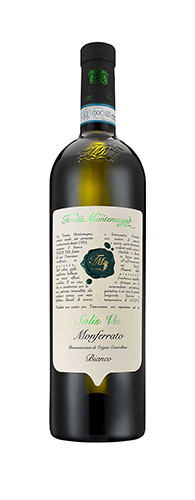
Solis Vis is the Piedmontese white wine, made from Timorasso grapes, capable of conveying sensations and emotions that have nothing to envy to those of the finest red wines. For the longevity it can achieve, we can safely call it a white wine with the soul of a great red. Solis Vis is a particular label, it gives intense mineral notes the delicate scent of freshly cut pear and a unique sapidity and intensity, its persistence is truly amazing, this white is able to reach important gradations and to accompany dishes characterized by a strong personality: from seasoned and tasty cheeses typical of Piedmontese production, to cod, shellfish up to foie gras escalopes and spiced poultry, without forgetting the traditional “vitello tonnato”, a typical recipe of the territory.

TM Solis Vis

Nymphae, Musae, Solis Vis from Tenuta Montemagno are the perfect wines to let yourself be transported into an unforgettable experience, with the infinite aromatic nuances and heady freshness that only whites born in a land of important reds, can give.

To taste unusual pairings or the classics of Monferrato cuisine with our summer labels, come visit us at the Civetta sul Comò restaurant, or buy our wines directly to pair with your recipes.

All Tenuta Montemagno wines are available in our online shop.

piscina notte

New interior design and new services at Tenuta Montemagno Relais & Wines

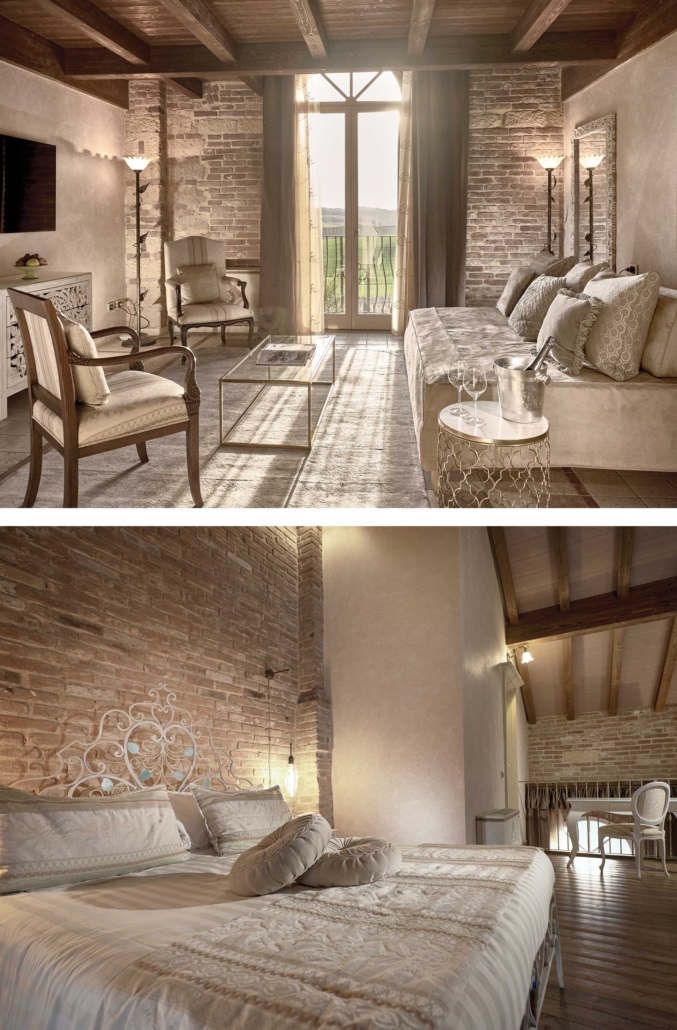
During early months of 2023, important work was carried out to give the rooms of Tenuta Montemagno Relais & Wines a new look. The objectives of these activities were to renovate the structure, to maintain a service adequate to the customer expectations and, above all, to increase the level of quality to be offered to guests staying at the relais.

The main work was carried out in the Junior Suites and, to a lesser extent, in the Classic and Superior rooms. Aesthetic improvement work was carried out in all the rooms of the relais.

In all rooms and suites, the light lines have been changed. New lamps with a modern design that wink at the lighting that once characterised country houses, thanks to their tapered shapes that evoke candle flames.

In the Junior Suites, the furnishings have been completely redesigned and the spaces on the ground floor have been reconfigured.

TMM rooms

Here, thanks to the introduction of the new furnishings, small sitting rooms have been created that can be reconfigured to create an additional one-and-a-half bed, to accommodate one or two children for the night or daytime rest hours.

But the renovation also concerns the services offered to customers. New relaxation and entertainment activities that make, and will make, your stay in the rolling hills of Monferrato extremely pleasant.

Starting in May, a piano/american bar will be available. This activity, available from early evening until around midnight on weekends until the end of May and every day from June onwards, will be available to guests, but also to outsiders not staying at the relais. The service will take place in the courtyard in front of the tasting room, where new furniture will create the piano bar lounge space.

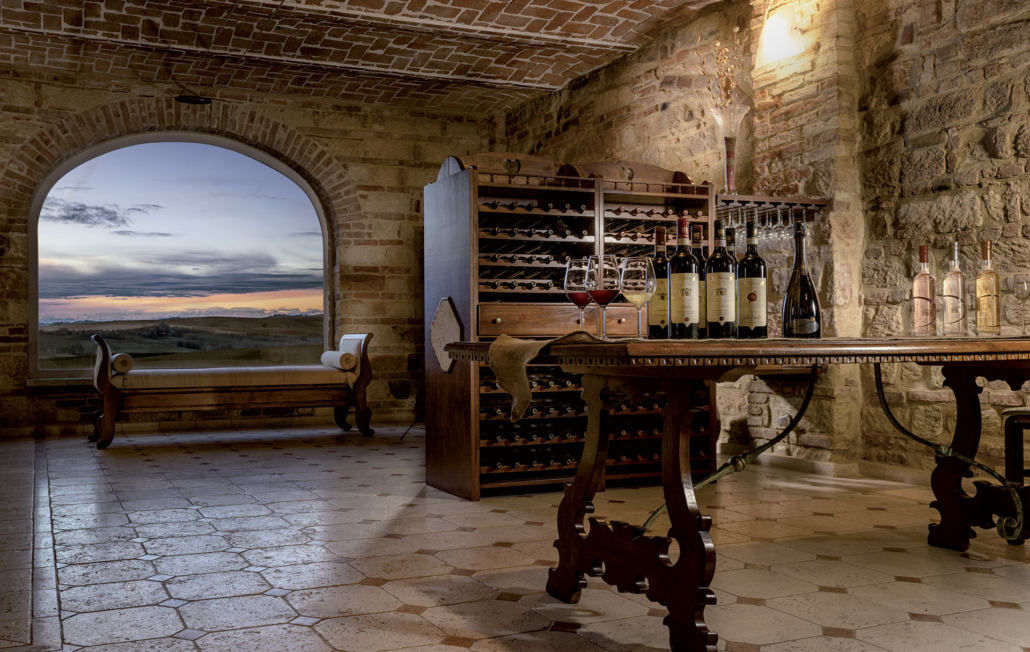
sala degustazione

In the tasting room bar, a barman will prepare customers’ orders while a pianist will entertain customers by playing a grand piano.

Summer evenings and the colours of sunset creeping across the contours of the hills and villages in front of the Tenuta will become magic moments for guests at the Piano Bar. Music and taste will be actors that make the Tenuta Montemagno Relais & Wines experience even more unforgettable.

Carciofo confit

Artichoke confìt on roasted cauliflower cream, red cow parmesan mousse and candied lemon

The cuisine of Tenuta Montemagno’s restaurant, La Civetta sul Comò, is led by Executive Chef Giampiero Vento, who proposes a menu composed of dishes made by combining the great Piedmontese tradition with a pinch of creativity and innovation.

For his early spring recipe, artichoke confìt on roasted cauliflower cream, red cow parmesan mousse and candied lemon, Chef Vento has selected a seasonal product typical of an area just a few kilometres from Monferrato: the spiny artichoke of Albenga. 

In the preparation of this recipe, Vento has added a fundamental ingredient, for him: memory, the call of memories of home cooking, with the aromas and flavours of good home cooking, of barbecues with friends… in short, all that baggage of extremely pleasant feelings and emotions that one wishes to replicate in one’s own preparations to donate to the palate of guests new elegance and interpretation.

carciofi

This appetiser dish has as its main protagonist, as mentioned, the artichoke, a vegetable that goes very well with first courses, fish and meat, but which the chef wanted to make the main subject of his recipe.

The first step towards confit preparation is to marinate the artichoke in plenty of oil, garlic and herbs. It is then steamed for an hour at about 70°, to avoid overcooking and to maintain a good consistency of the artichoke. The passage to the blowtorch to gently burn our ‘protagonist’ begins to add those flavours linked to memories such as the smell of grill and charcoal. Together with the artichoke we also burn some herbs, first and foremost rosemary, which will give a special touch to the flavours of the final dish.

The first touches of elegance are then added to the dish through the mousse of red cow parmesan cheese aged for 36 months.

Further ingredients that give a unique and personal style to the dish are the caramelised lemon peel, with sour and sweet notes at the same time to contrast the bitterness of the artichoke. The completion of the dish is rendered with a previously roasted cauliflower cream, which adds the final touch of elegance to this starter that is proving to be a great success with guests at the relais.

The wine to go with this dish is, according to our sommeliers, a strong and powerful white. We therefore recommend Tenuta Montemagno’s pure Timorasso Solis Vis. A structured white, capable of supporting courses typically accompanied by great red wines.

You can purchase Solis Vis from our online shop. So those who wish to try their hand at this preparation can complete the experience with pure Timorasso. On the other hand, we will be happy to welcome those who would like to taste the dish and wine directly at the estate, contacting us at reception to book a tasteful stay in Monferrato.

Solis Vis
Tenuta Montemagno in inverno

Work in the vineyard and cellar of Tenuta Montemagno at the end of winter

Article written in collaboration with Roberto Nantiat and Gianfranco Cordero, winemakers of Tenuta Montemagno

A few days ago we entered the spring season, the period in which the vineyard wakes up from its winter rest and prepares to be reborn to bear those wonderful fruits that we will harvest at the end of the summer season. In the last article, we learnt what work had to be done at the beginning of the cold season.

In this one, we will see with Roberto Nantiat, the oenologist who, together with Gianfranco Cordero, follows the work at Tenuta Montemagno, what has been done in the second half of the winter and how we are preparing for the spring awakening.

Let us begin by pointing out that from January to the present (we are now in the last ten days of March), winter has been characterised by mild temperatures. 

Roberto Nantiat

Only in February, and for less than a week, temperatures dropped below freezing. As far as precipitation is concerned, it must also be said that it has been decidedly scarce, indicating a continuity of drought that has persisted since last year.

In the vineyard, all pruning was completed; the shoots that had been cut at the end of the harvest were removed completely.

Since the beginning of March, we have been bending and tying the fruit heads to allow the plants to start sprouting for the new vintage.

It was precisely in this latter period that a much faster vegetative recovery than normal vine activity was noted.

In fact, the presence of the first cotton buds was observed, a sign that these are swelling, when normally in March the first ‘weeping’ of the vines should have been seen.

It must be said, however, that these weeping did take place, even if, due to the low amount of water reserve, they were not as vigorous as can normally be observed.

Vigna inverno

The climatic changes observed last year, and in particular from the end of the 2022 harvest to the present, were the subject of a meeting between oenologists and Tenuta Montemagno’s agronomist, Maurizio Cerrato. The purpose of the meeting was to define a strategy to be implemented in order to deal in the best possible conditions with the adversities brought about by the weather and not only. In fact, this year a number of new natural-based products will be used to support the plants both against water shortages and to supplement and reinforce their defences against attacks by parasites and fungi.

In the cellar, bottling of all the white wines continued (an activity that should be completed by the end of March), while, again towards the end of the month, the TM Brut will be drawn, thus initiating the second fermentation in the bottle with yeasts and sugars to produce the bubbles. At the beginning of March, the Grignolino was bottled, while for all the other red wines the ageing phase continued, depending on the type of wine, in tanks or in barrels.We can say that the winter was a season of work to prepare the vineyards in the best possible way and to activate the strategies that will allow nature to work in the best conditions with. the arrival of fine weather. The next appointment with our editorials dedicated to Tenuta Montemagno’s vineyards and winery is scheduled for July; on that occasion we will be able to tell you what was done during the Spring 2023.